product-knowledge
Fragrance Oil Stability and Shelf Life Testing
When you source fragrance oils for a hotel amenity line, a spa retail collection, or a private-label home fragrance brand, the conversation usually starts with scent. But the more important commercial conversation is stability. A fragrance oil that smells perfect today but fades, discolors, or turns rancid in three months creates returns, bad reviews, and brand damage. That is why fragrance oil stability shelf life testing must be part of your supplier qualification process, not an afterthought.
At Aromiso, we treat stability data as a buyer-driven requirement. You should not have to guess whether a fragrance oil will survive shipping, warehouse storage, and end-use conditions. This guide explains what to look for, what to ask the factory, and how to avoid common sourcing mistakes. If you are starting a new project, review our ready-to-ship catalog to see how fragrance oil specs are presented, and check buyer guides for more sourcing checklists.
Why Stability Testing Matters for B2B Buyers
Stability is not a single number. It is the combined result of formulation, raw material quality, packaging, and storage conditions. A fragrance oil may be stable in a clear glass bottle in a cool warehouse but degrade quickly in a hot container, under LED retail lighting, or when blended into a lotion base.
For B2B buyers, the risk is multi-layered:
- Product returns and chargebacks if end customers notice discoloration or off-notes.
- Regulatory or safety concerns if degradation produces sensitizing compounds.
- Brand inconsistency between batches, especially when reordering months later.
- Supply chain disputes if the buyer cannot prove the product left the factory in spec.
Requesting documented stability testing shifts the conversation from marketing claims to evidence. A responsible factory should be able to describe its testing conditions, show retention samples, and explain what happens when a fragrance oil is exposed to heat, light, or oxygen.
How Factories Assess Fragrance Oil Shelf Life
There is no universal standard for fragrance oil shelf life because every formulation behaves differently. However, most professional factories use a combination of the following methods:
Accelerated Aging
Accelerated aging exposes the fragrance oil to elevated temperature and sometimes elevated humidity for a short period, then compares the sample against a control kept in normal conditions. The goal is to identify early warning signs: color shifts, viscosity changes, separation, off-odor development, or loss of top notes.
Buyers should ask which temperature and duration the factory uses, and whether the method is documented internally. Even if the factory does not use a formal standardized test, the fact that it has a repeatable internal protocol is a good sign.
Light and UV Exposure
Fragrance oils with natural extracts, citrus notes, or certain aroma chemicals can be photosensitive. Light exposure testing may involve placing samples under strong artificial light or natural daylight and monitoring color and odor. This is especially relevant for products sold in clear bottles, spa environments with bright lighting, or retail displays near windows.
Real-Time Shelf Life Monitoring
The most reliable data comes from real-time monitoring: keeping retention samples from every production batch and checking them periodically over months. This is slower but reflects actual storage conditions. Factories that keep organized retention sample records can compare a new batch to a previous one and detect drift before shipping.
Compatibility Testing with Bases
A fragrance oil can be stable alone but unstable when mixed into a candle wax, diffuser base, lotion, or soap. Some factories offer compatibility testing or at least guidance on which bases are known to cause issues. If your end product is not pure fragrance oil, ask whether the stability testing included your intended base or at least a representative model.
What to Ask the Factory Before You Commit
Use this checklist when evaluating a fragrance oil supplier. These questions are not about finding a perfect guarantee; they are about verifying that the factory has control over its process and can provide evidence.
- Can you provide a stability summary for the specific fragrance oil SKU I am considering?
- What accelerated aging conditions do you use, and how do you decide pass/fail?
- Do you keep retention samples from each production batch, and for how long?
- Can I see the retention sample before bulk shipment, or receive a photo/video?
- How do you handle color changes or off-notes discovered after production?
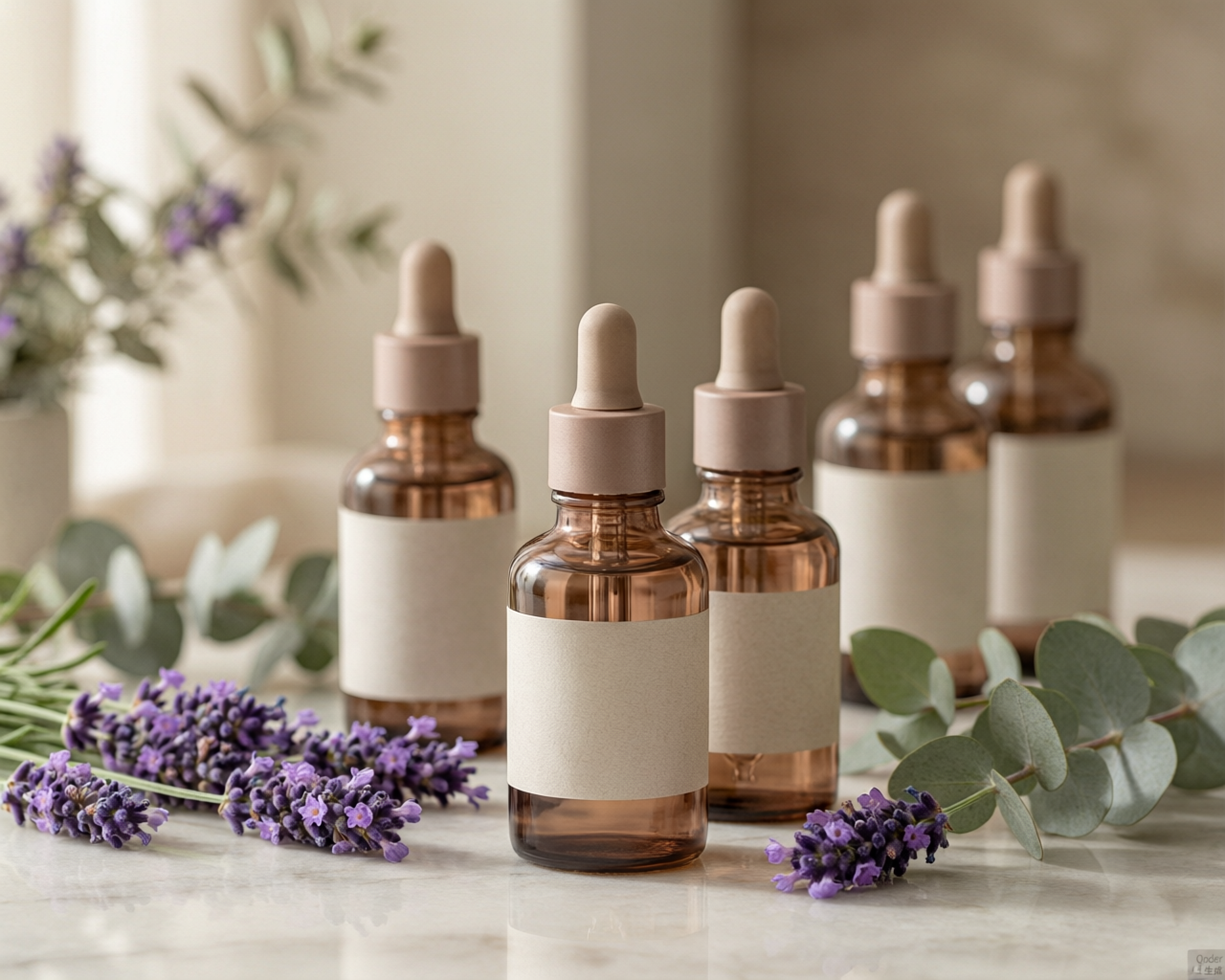
- Do you test fragrance oils in clear vs. amber packaging? What difference does it make for this formula?
- Is there a recommended storage temperature range for bulk containers and finished products?
- Can you supply a certificate of analysis or a batch-specific quality sheet that includes appearance, odor, and specific gravity?
If a supplier cannot answer these questions, that does not automatically mean the product is bad. But it means you are taking on more risk. At Aromiso, we encourage buyers to ask for retention sample records and stability notes before confirming an order. More sourcing guidance is available in buyer guides.
Red Flags and Common Pitfalls
Accepting a Single Shelf Life Claim Without Context
A supplier might state a shelf life without explaining the storage conditions or packaging. That number is meaningless if the product is stored in a hot warehouse or exposed to sunlight. Ask for the conditions behind the claim.
Ignoring Packaging and Headspace
The container matters. A fragrance oil in a full, sealed, amber glass bottle will behave differently than the same oil in a partially filled clear plastic jug. Oxygen in the headspace and light transmission can accelerate degradation. Ask the factory about recommended packaging and fill levels.
Assuming Natural Means Stable
Natural essential oils and absolutes are often more sensitive to oxidation than synthetic aroma chemicals. Citrus oils, for example, can oxidize and become skin sensitizers if not stored properly. Do not assume a “natural” claim removes the need for stability testing.
Not Asking for Batch-to-Batch Consistency Data
A single test on a lab sample is not the same as testing every production batch. Ask how the factory ensures that the fragrance oil you approve is the same as what you receive in bulk months later. Retention samples and batch records are the answer.
Treating Stability as a One-Time Check
Stability testing should be part of ongoing quality assurance. Conditions change, raw material suppliers change, and formulations are adjusted. A good supplier re-runs stability tests when a formula changes or when a new raw material lot is introduced.
A Practical Stability Checklist for Your Sourcing Process
Use this short checklist before you place a fragrance oil order:
- Request stability data for the exact SKU, not a similar product.
- Confirm the storage conditions recommended by the factory for bulk and finished goods.
- Ask for retention sample policy and batch traceability.
- Review packaging recommendations: material, color, closure, and fill level.
- If the fragrance oil will be used in a base, ask about compatibility testing or known issues.
- Build a re-test or re-approval step into your purchase order process, especially for large volumes.
By making fragrance oil stability shelf life testing a standard part of your sourcing conversations, you protect your brand and reduce the chance of costly surprises. Aromiso supports buyers with documented production records, retention samples, and clear communication about storage and handling. Explore our ready-to-ship catalog to start a conversation about your next fragrance oil project.