Industry Applications
Organize Fragrance Sample Feedback
Organizing fragrance sample feedback is a quiet, repetitive task that decides whether a sourcing project moves forward or stalls in confusion. When samples arrive from multiple partner factories, the bottles often look similar, the scent names blur together, and reviewer comments scatter across emails, chat messages, and handwritten notes. A simple internal workflow solves this. It does not require special software or technical fragrance knowledge. It only requires consistent labels, a shared place for observations, a habit of keeping photos, and a short follow-up list for the supplier.
This guide stays entirely within internal documentation and communication. It does not cover regulatory topics, safety data, certification, shipping, technical performance, formulation, or commercial terms. The goal is to help your team capture what people actually smell and think, then turn that into clear, actionable questions for the supplier.
Assign sample labels before anyone opens a bottle
The first step is to label every sample with a code that means something to your team but does not expose supplier identity in shared notes. A simple format works well: a short project code, a dash, and a sequence number. For example, PRJ-01, PRJ-02, and so on. If you are comparing several fragrance types, you can add a letter for the category, such as PRJ-R-01 for a rose direction or PRJ-W-01 for a woody direction. The key is consistency.
Create a master log in a shared spreadsheet or document. Columns can include: sample code, fragrance name as stated by supplier, supplier reference (internal only), date received, and storage location. Do not put the supplier name in the same sheet that reviewers see if you want to keep feedback neutral. Instead, use a separate internal mapping sheet that only the sourcing team can access.
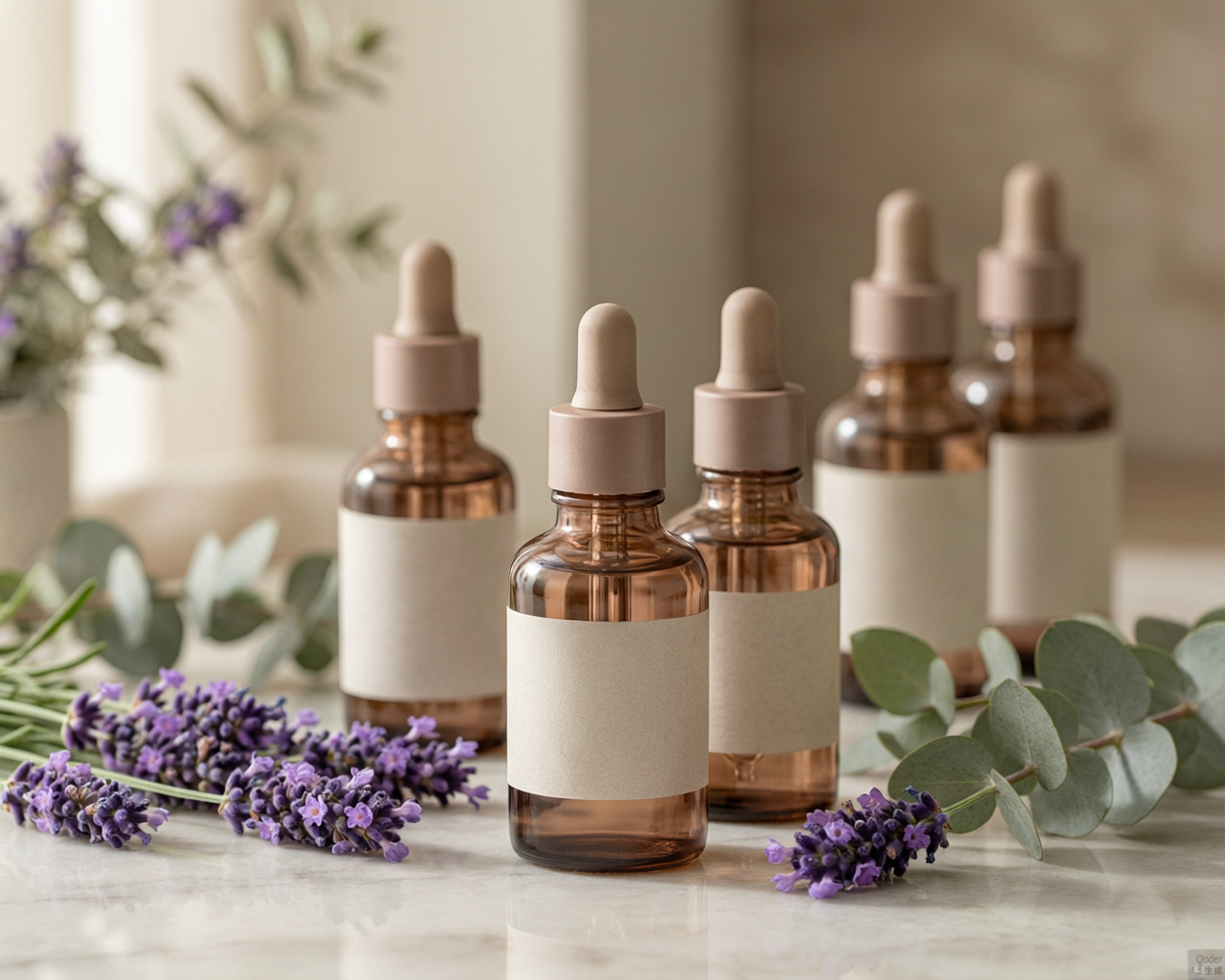
Label the physical sample with the same code. A small sticker or a tag tied to the bottle works. Write the code clearly, and if the bottle has a box, label both. This prevents the common problem of a reviewer saying “the amber one” when three amber bottles are on the table.
Record reviewer observations in one shared place
Set up a simple feedback form or shared sheet for reviewers. The form should ask for the sample code, the date of review, and a few open-ended prompts. For example:
- First impression: what do you notice immediately?
- Scent character: floral, woody, fresh, sweet, spicy, or something else?
- Strength: how strong does it feel on first sniff and after a few minutes?
- Overall impression: would you want to smell this again? Why or why not?
Avoid asking reviewers to score on a numeric scale unless your team already uses one consistently. Numbers without a shared reference can be misleading. Instead, encourage short, specific phrases. “Sweet vanilla with a sharp citrus opening” is more useful than “nice.” “Very weak after ten minutes” is more useful than “not great.”
Keep all observations in one shared location, not in individual emails. A shared sheet or a simple project management tool works. If someone writes a note on paper, ask them to type it into the shared sheet the same day. The goal is to have one source of truth for each sample code.
Keep photos with the feedback
A quick photo of each labeled sample helps later when you need to match feedback to a specific bottle. Take the photo before the first review, showing the label and the bottle shape. If the liquid color or packaging changes between rounds, take a new photo.
Store photos in a shared folder named by project or sample code. For example, a folder called PRJ-01 contains the photo, the feedback sheet entries, and any other internal notes. Do not name the folder after the supplier. This keeps the internal review process focused on the fragrance itself, not on who made it.
Photos are also useful when you prepare the supplier follow-up list. If a reviewer says “the cap was loose” or “the label was crooked,” a photo shows exactly what they meant. You can share the photo internally without sharing supplier details.
Turn feedback into a short supplier follow-up list
After all reviewers have submitted their observations, read through the comments for each sample code. Look for repeated themes. If three people say “too sweet” for the same sample, that is a theme. If one person says “too sweet” and another says “not sweet enough,” that is a disagreement worth noting, but it may not need a supplier question yet.
For each theme, write one clear, factual question or request for the supplier. For example:
- “Several reviewers found sample PRJ-03 too sweet. Can you adjust the sweetness level downward while keeping the floral character?”
- “Reviewers noted that sample PRJ-05 had a very weak scent after ten minutes. Can you increase the fragrance concentration or suggest a stronger version?”
- “The label on sample PRJ-07 was crooked in the photo. Can you confirm the labeling process for future samples?”
Keep the list short. Three to five questions per supplier is usually enough. If you send a long list of every minor comment, the supplier may focus on the wrong things. Prioritize the themes that affect the buying decision: scent character, strength, and overall appeal.
Store the follow-up list in the same shared folder as the feedback. Use the sample codes, not supplier names, in the list itself. When you send the list to the supplier, you can replace the codes with the supplier’s own reference names if needed. The internal record stays neutral and easy to audit.
Avoid these common pitfalls
- Labeling after the fact. If you wait until after the first review to label samples, you will spend time matching bottles to notes. Label before anyone opens a bottle.
- Scattered notes. Feedback in emails, chat messages, and paper notes is hard to consolidate. Use one shared sheet or form from the start.
- Vague comments. “Nice” and “good” do not help the supplier. Ask reviewers to be specific about scent character and strength.
- Supplier names in shared feedback. Keep internal review notes focused on sample codes. This prevents bias and protects supplier relationships.
- A long, unfocused follow-up list. A list of twenty minor comments is hard for a supplier to act on. Pick the three to five themes that matter most.
What to ask your team before the next sampling round
Before you start the next round of fragrance samples, ask these questions internally:
- Do we have a consistent sample code format that everyone understands?
- Is there one shared location for reviewer observations and photos?
- Are reviewers giving specific, actionable comments rather than vague impressions?
- Do we have a short follow-up list ready for the supplier, based on repeated themes?
- Can we find any sample’s feedback and photo quickly using the sample code?
If the answer to any of these is no, fix that step before new samples arrive. A small investment in labeling and shared notes saves hours of confusion later.
For more practical guidance on sourcing and evaluating fragrance products, see our buyer guides and ready-to-ship catalog to understand how samples fit into the broader sourcing process.